


The Second Sickle Cell Medical Outreach was organized to address critical healthcare, psychosocial, and societal challenges faced by individuals living with sickle cell anemia. This initiative focused on delivering compassionate medical support, increasing awareness, and fostering hope among vulnerable populations who often experience neglect, stigma, and limited access to care.
Goal: To provide compassionate care, raise vital funds, and promote awareness for individuals living with sickle cell anemia and women affected by ovarian cysts, empowering them through access to medical support, education, and a community of hope.
Vision: To support individuals living with sickle cell anemia and women suffering from ovarian cysts by improving access to medical care, strengthening health education, and building a sustainable community that encourages resilience, dignity, and hope.
Justification for the Outreach:
High Disease Burden and Mortality
Approximately 150,000 newborns are affected by sickle cell disease annually, with nearly half dying before reaching their fifth birthday. This highlights the urgent need for early diagnosis, proper medical management, and community-based interventions.
Limited Access to Resources and Financial Barriers
Inadequate healthcare resources, high treatment costs, and poor financial capacity significantly contribute to preventable complications and early mortality among individuals living with sickle cell disease.
Stigmatization and Social Marginalization
People living with sickle cell disease experience stigmatization and discrimination, particularly due to misconceptions surrounding pain management and opioid use. This often leads to poor treatment in healthcare settings and social marginalization within their communities.
Psychosocial Impact and Loss of Hope
Many individuals living with sickle cell disease internalize negative societal attitudes, leading to diminished self-esteem and the belief that they cannot live fulfilling lives or achieve their dreams and ambitions. This sense of hopelessness underscores the need for continuous education, psychosocial support, and empowerment programs.
Expected Outcomes:
Financial Relief and Improved Access to Care
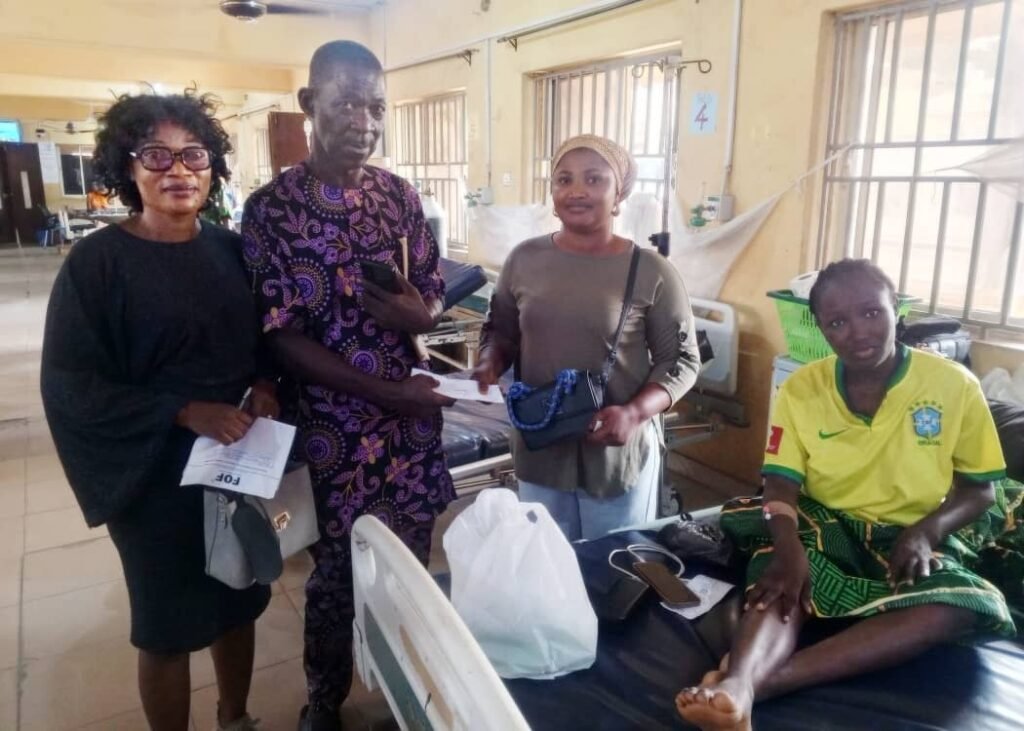
Partial payment of hospital bills for patients receiving care at the visited facilities will reduce the financial burden on individuals and families affected by sickle cell disease. This intervention is expected to improve access to timely medical treatment and reduce interruptions in care caused by financial constraints.

Renewed Hope and Psychological Empowerment
By sharing real-life success stories of individuals living with sickle cell disease who are excelling academically, professionally, and socially, the outreach aims to restore hope, challenge internalized stigma, and reinforce the belief that living with the disease does not limit one’s ability to achieve personal dreams and ambitions.
Issues with People Suffering sickle cell disease in Nigeria
– Inadequate medical care
– High prevalence of depression and anxiety
– Disruption of education and career aspirations
– Stigmatization by society
– Relationship challenges
– High cost of managing the disease
Sources: Sickle Cell Foundation of Nigeria
Solution: Behind every story, there’s hope. Let’s spread awareness about sickle cell
Outreach Location: Sickle Cell Ward, The Federal Medical Center (FMC), Abeokuta.
Date: March 31, 2026
Volunteers: Olugbenga Osunrinde, Dorcas Bolarinwa, Elizabeth Adedunmola, Bolaji Kayode